Pre-IUI Testing & Ultrasound Timing: How Doctors Prep the Body for Fertility Treatment
Pre-IUI Testing & Ultrasound Timing: How Doctors Prep the Body for Fertility Treatment
Before starting an IUI cycle, reproductive endocrinologists run several important tests to ensure the timing is right, the reproductive anatomy is clear, and there are no hidden obstacles to pregnancy. These diagnostic steps may seem overwhelming at first, but each plays a key role in maximizing the chances of success.
In this post, we’ll walk through the common pre-IUI tests—like the HSG and saline sonogram—as well as the critical role of transvaginal ultrasound in guiding the cycle.
🔍 Step 1: HSG – Checking the Highway
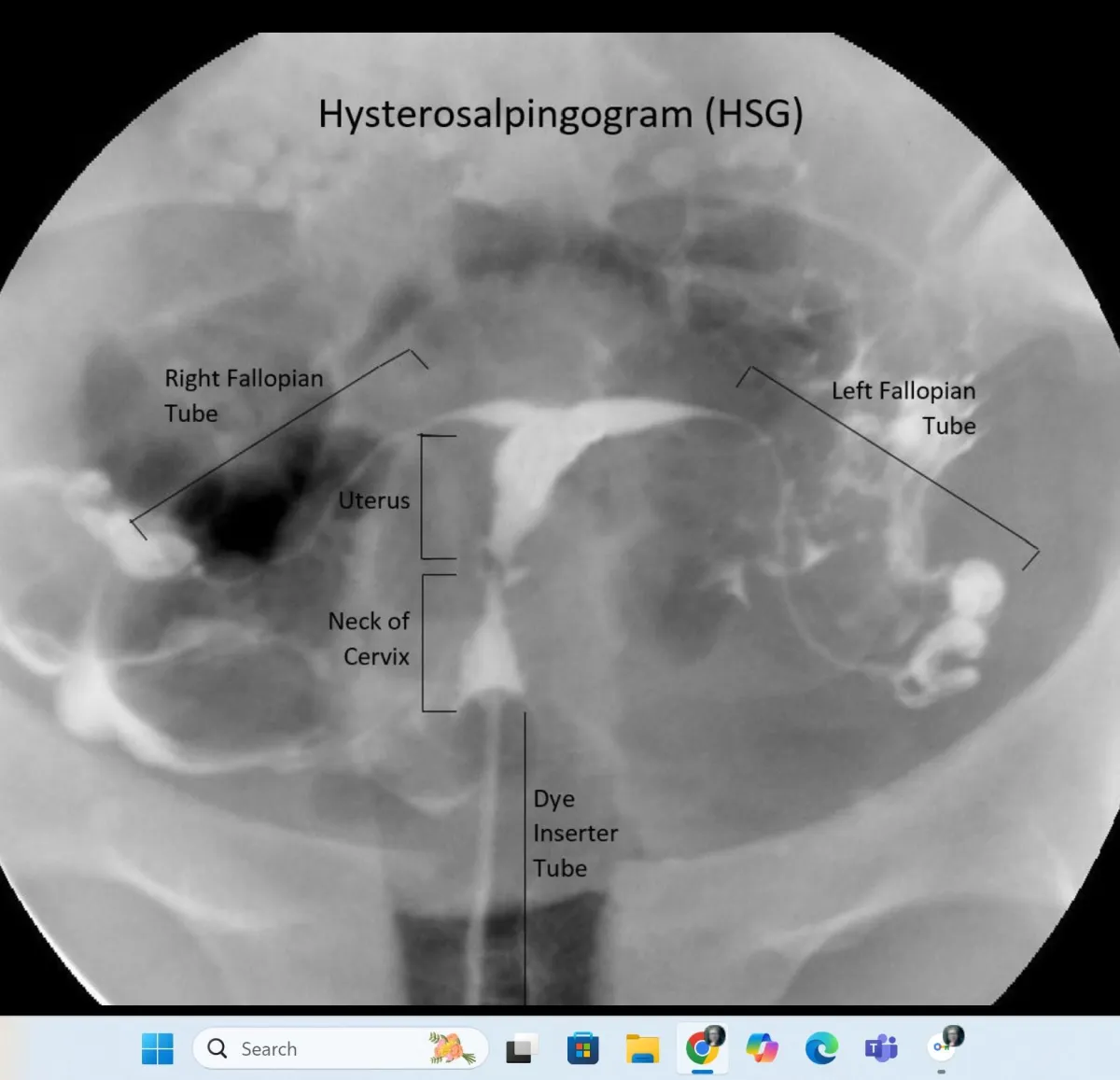
HSG (Hysterosalpingogram) is usually one of the first imaging tests done before IUI treatment.
What it is: An X-ray dye test that evaluates the shape of the uterus and whether the fallopian tubes are open.
How it works: A thin catheter is inserted into the cervix, and contrast dye is slowly injected. X-ray imaging follows the dye through the uterus and tubes.
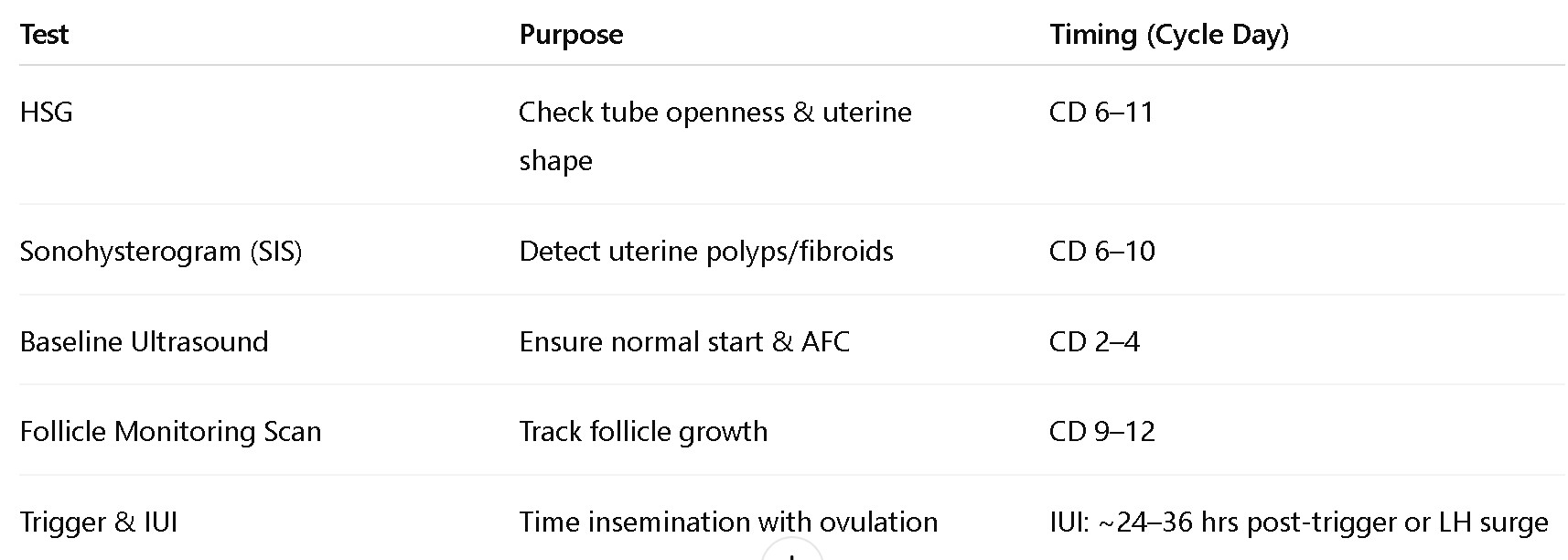
When it's done: Typically between Cycle Days 6–11, right after menstruation but before ovulation.
Why it matters: If both tubes are blocked, sperm can’t reach the egg—making IUI ineffective. HSG confirms whether IUI is a viable option.
🧪 Fun fact: Sometimes, the HSG clears minor blockages, and couples conceive naturally the following month!
💧 Step 2: Sonohysterogram – A Closer Look at the Uterus
Also called an SIS (Saline Infusion Sonogram), this test checks for uterine abnormalities that could interfere with implantation.
What it is: A small amount of sterile saline is injected into the uterus during a transvaginal ultrasound.
What it detects: Polyps, fibroids, scar tissue, or abnormal shapes of the uterus.
When it’s done: Usually between Cycle Days 6–10.
🧠 Why it's important: A healthy uterine cavity gives embryos the best chance to implant and grow. If abnormalities are found, your doctor may suggest treating them before proceeding with IUI.
🖥️ Step 3: Transvaginal Ultrasounds – Monitoring in Real Time
Ultrasounds are essential tools in IUI planning, allowing your doctor to monitor follicle development and time insemination perfectly.
Here’s how they’re used during the cycle:
🩺 Baseline Scan (Cycle Days 2–4):
Checks that the ovaries are “quiet” (no large cysts or active follicles).
Assesses antral follicle count (AFC), which gives insight into ovarian reserve.
🌱 Monitoring Scan (Cycle Days 9–12):
Measures growing follicles (dominant follicles typically reach 18–22mm before ovulation).
Evaluates endometrial lining thickness (ideally 7–14mm for implantation).
Helps determine when to administer the trigger shot (if doing a medicated cycle).
🕰️ Timing the IUI:
The IUI is scheduled approximately 24–36 hours after the LH surge or trigger shot.
This tight window ensures sperm are present in the uterus at the time of ovulation.
🧭 Summary Chart: When Tests Are Done in the IUI Timeline
💡 Final Thoughts
Pre-IUI testing isn’t just red tape—it’s essential. Each scan and test helps tailor your treatment to your unique reproductive system, maximizing the odds of a successful outcome. Whether you're doing a natural or medicated cycle, timing and preparation are everything.
This completes our IUI series! From history to medications and pre-cycle tests, you're now equipped with the knowledge to ask great questions and advocate for your care.

