Natural vs. Medicated IUI Cycles: What to Expect Each Step of the Way
Natural vs. Medicated IUI Cycles: What to Expect Each Step of the Way
Once a couple decides to try intrauterine insemination (IUI), the next big question is: Will this be a natural cycle or a medicated one? The difference between these two paths can be subtle but important—especially when it comes to timing, hormones, and overall success rates.
This post walks you through the differences between natural and medicated IUI cycles, what medications are often used, and how they align with the menstrual cycle’s natural rhythm.
🌱 Natural Cycle IUI: Trusting the Body’s Clock
A natural cycle IUI involves no fertility medications. It’s ideal for women who:
Ovulate regularly on their own
Have a predictable menstrual cycle
Want to avoid extra hormones or medications
What happens in a natural cycle?
Cycle Days 10–14: The patient uses ovulation predictor kits (OPKs) at home to detect the LH surge, which typically occurs 24–36 hours before ovulation.
Once the surge is detected, the IUI is scheduled for the next day or the day after.
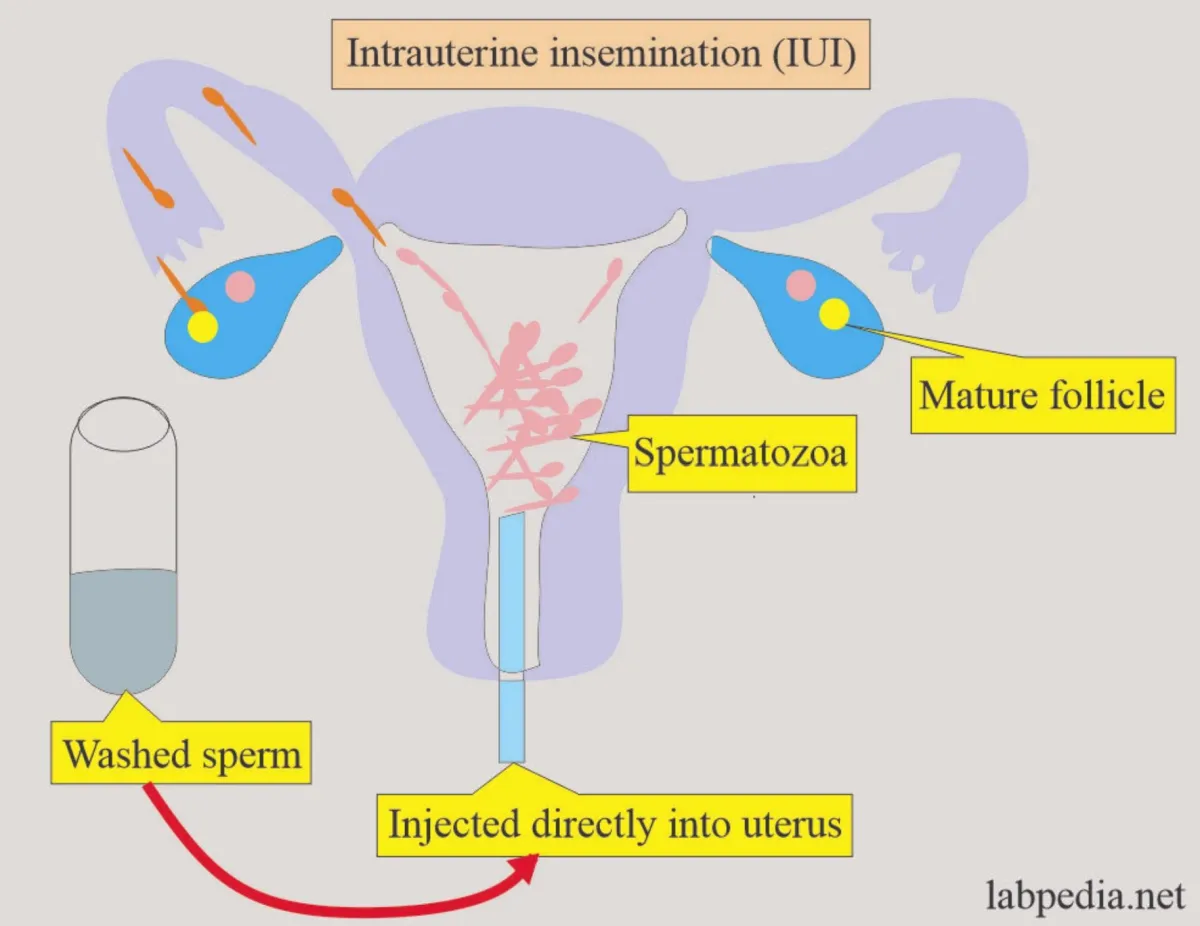
The sperm is washed and inserted directly into the uterus using a thin catheter.
Pros:
Fewer side effects
Lower cost
No risk of overstimulated ovaries
Cons:
Less control over timing
Only one egg is typically released, which may lower success rates
💊 Medicated IUI Cycles: Giving Ovulation a Boost
A medicated IUI cycle uses fertility drugs to stimulate ovulation—or in some cases, produce more than one mature egg to improve chances of conception.
Here’s how the process unfolds by menstrual cycle phase:
📆 Cycle Days 2–4: Baseline Monitoring
Transvaginal ultrasound and bloodwork to check for ovarian cysts and baseline hormone levels (estradiol, LH, FSH).
This helps confirm it's safe to start medications.
🌸 Follicular Phase (Days 3–9): Ovary Stimulation
Medications Used:
Clomiphene Citrate (Clomid) – an oral anti-estrogen that stimulates the brain to release more FSH and LH.
Letrozole (Femara) – an aromatase inhibitor that boosts follicle development while preserving the uterine lining.
In more advanced cycles, gonadotropins (injectable FSH or hMG) may be used for stronger ovarian response.
📈 Cycle Days 9–12: Monitoring and Trigger
Another transvaginal ultrasound is done to measure follicle size and count.
Blood tests measure estradiol (E2) levels to gauge estrogen response.
Once follicles are mature (usually 18–22 mm), the patient receives a “trigger shot” of hCG to mimic the LH surge and induce ovulation.
💉 Trigger and IUI Timing
IUI is performed 24–36 hours after the trigger injection, ideally when ovulation is imminent.
🧬 Luteal Phase Support (Days 15–28)
Some providers give progesterone supplements (oral, vaginal, or injectable) to support the uterine lining and early implantation.
A pregnancy test is usually done 14 days after IUI.
🆚 Comparison Chart: Natural vs. Medicated IUI

💡 Final Thoughts
Natural and medicated IUI cycles each have their place in fertility care. For women with regular cycles and no ovulatory issues, a natural approach may be just right. But for those who need more help with egg development or timing, medications offer a helpful boost.
In the next post, we’ll take a deeper dive into diagnostic testing before IUI, including HSGs, saline sonograms, and the timing of key ultrasounds. Understanding these steps can help you feel confident and prepared throughout your fertility journey.

